
Missing or failing teeth rarely announce themselves as an emergency right away. More often, the signs build up gradually – a bit of discomfort here, a slight change in how you chew there – until one day the cumulative effect becomes impossible to ignore. Recognizing these signs early can mean the difference between a straightforward implant procedure and a much more complicated one. Here are eight signals worth paying attention to, along with what to look for once you’ve decided to move forward with treatment.
Mục lục
- 1. You’ve Lost a Tooth and Haven’t Replaced It
- 2. You’re Relying on a Loose or Uncomfortable Denture
- 3. You Notice Changes in Your Jawbone or Facial Structure
- 4. Chewing Has Become Difficult or Uneven
- 5. A Tooth Is Cracked, Fractured, or Failing Beyond Repair
- 6. You Have Ongoing Gum Disease Affecting Tooth Stability
- 7. You’re Self-Conscious About Your Smile
- 8. Your Dentist Has Mentioned Bone Loss During a Check-up
- What to Look for Once You’ve Decided to Move Forward
- Why Vietnam Has Become a Strong Option for This Kind of Combined Treatment
- A Clinic Worth Researching
- Final Thoughts
1. You’ve Lost a Tooth and Haven’t Replaced It
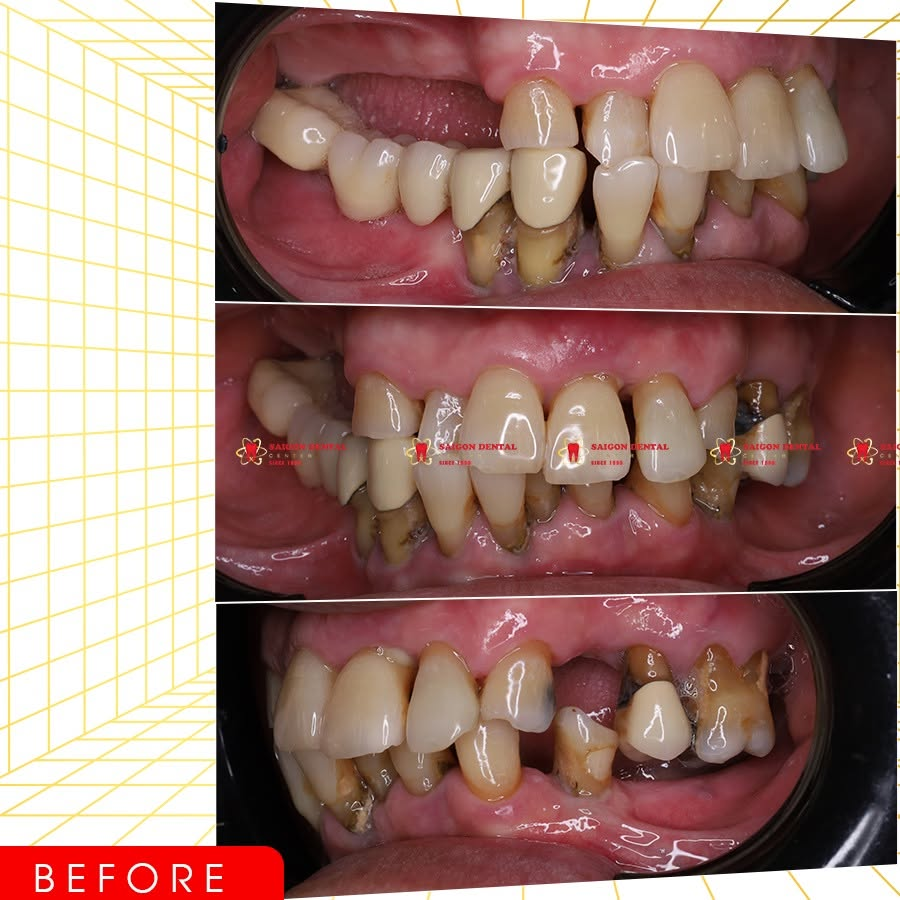
This is the most obvious sign, but it’s also the one people delay acting on the longest. A gap left unaddressed doesn’t just affect appearance – the surrounding teeth can gradually shift into the empty space, and the jawbone beneath it begins to lose density without a tooth root stimulating it. The longer the gap remains, the more bone loss can occur, which sometimes makes future implant placement more complex.
2. You’re Relying on a Loose or Uncomfortable Denture
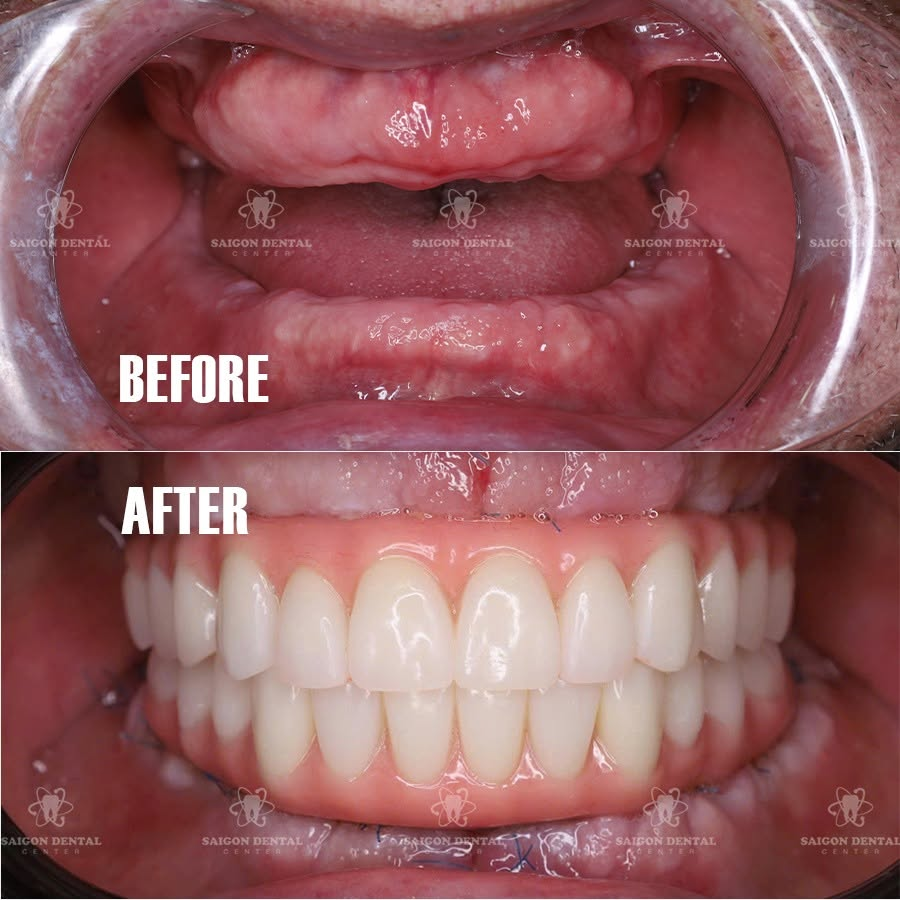
Traditional dentures can shift while eating or speaking, and many people quietly adjust their diet and social habits to avoid the discomfort or embarrassment of a denture slipping. If you find yourself avoiding certain foods, using excessive adhesive, or feeling self-conscious when you laugh or speak, that discomfort is a strong signal that implant-supported options are worth exploring.
3. You Notice Changes in Your Jawbone or Facial Structure
Missing teeth accelerate bone loss in the jaw, which can subtly change the shape of your face over time – a sunken appearance around the mouth or cheeks is a common long-term effect of untreated tooth loss. Because implants stimulate the jawbone the way a natural tooth root does, addressing missing teeth sooner rather than later helps preserve facial structure.
4. Chewing Has Become Difficult or Uneven
If you’ve started favoring one side of your mouth while eating, or certain foods have become genuinely difficult to chew, it’s often a sign that a missing or damaged tooth is affecting your bite. Left unaddressed, this uneven chewing pattern can put additional strain on your remaining teeth and jaw joints over time.
5. A Tooth Is Cracked, Fractured, or Failing Beyond Repair
Not every damaged tooth can be saved with a crown or root canal. When a tooth is fractured below the gum line, severely decayed, or structurally compromised, extraction followed by an implant is often the more durable long-term solution compared to repeatedly attempting to repair a tooth that keeps failing.
6. You Have Ongoing Gum Disease Affecting Tooth Stability
Advanced gum disease can loosen teeth by breaking down the bone and tissue that support them. If a dentist has flagged mobility in one or more teeth due to periodontal disease, it’s worth discussing whether implants are part of the long-term treatment plan once the disease itself is under control.
7. You’re Self-Conscious About Your Smile
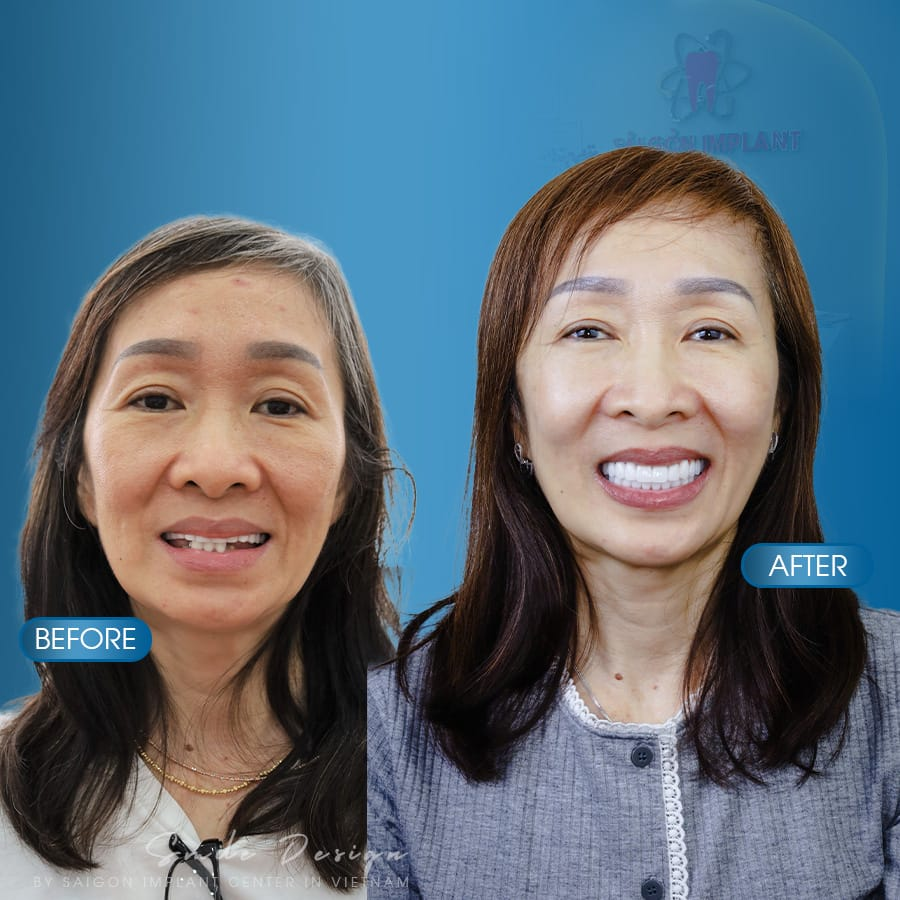
Tooth loss affects more than function – it affects confidence. If you find yourself avoiding photos, covering your mouth when you laugh, or feeling hesitant in social or professional situations because of missing or damaged teeth, that’s a legitimate reason to explore treatment, not just a cosmetic afterthought.
8. Your Dentist Has Mentioned Bone Loss During a Check-up
Sometimes the clearest sign isn’t something you notice yourself – it’s something your dentist flags during a routine exam. If bone density loss has already been mentioned, earlier intervention generally means simpler treatment, since significant bone loss can require additional procedures like grafting before an implant can be placed successfully.
What to Look for Once You’ve Decided to Move Forward
Recognizing these signs is only the first step. Choosing where to get treated matters just as much, particularly since many patients dealing with implants also want to address related aesthetic concerns – such as porcelain crowns or veneers on adjacent teeth – as part of the same overall treatment plan. A few things are worth confirming in any clinic you’re considering:
- Specialist implant training, ideally with international certification, since implant placement is a distinct surgical discipline
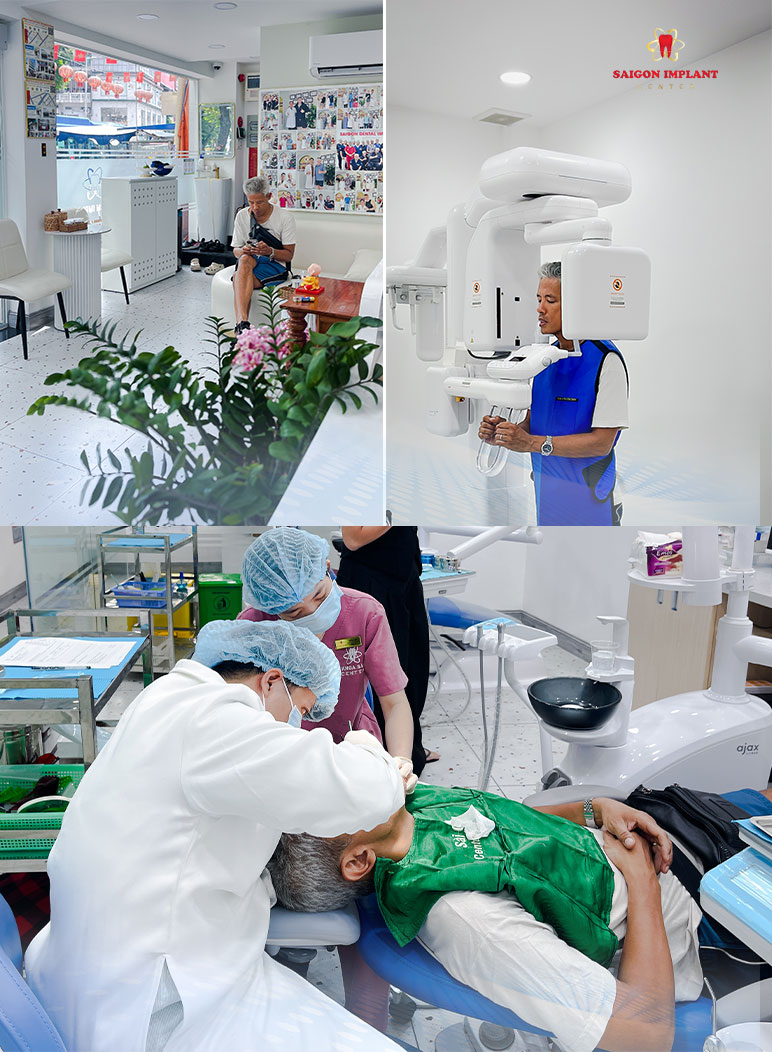
- 3D imaging and digital treatment planning, which allow for far more precise placement than older diagnostic methods
- In-house cosmetic and restorative expertise, so that porcelain crowns, veneers, or other aesthetic work can be planned alongside implant treatment rather than handled by a separate, disconnected provider
- Transparent, staged communication about the full treatment journey, from initial assessment through healing and final restoration
Why Vietnam Has Become a Strong Option for This Kind of Combined Treatment
Patients dealing with both implant needs and cosmetic concerns – like wanting natural-looking porcelain crowns alongside implant restoration – increasingly look toward Vietnam, and Ho Chi Minh City specifically, for this kind of combined treatment. A growing number of Vietnamese specialists have trained internationally in both implantology and cosmetic dentistry, and well-run clinics there are often equipped to manage an entire treatment plan – implants, crowns, and aesthetic work – under one coordinated team, rather than referring patients between separate providers.
A Clinic Worth Researching
For anyone weighing where to go for combined implant and cosmetic dental treatment, Saigon Implant Center in Ho Chi Minh City is worth including in that research. The clinic brings together implant specialists and cosmetic dentistry expertise, using modern 3D diagnostic imaging to plan treatment that addresses both function and appearance in a coordinated way – a useful benchmark for the kind of clinic capable of managing a case that involves more than just implant placement alone.

Final Thoughts
If any of these eight signs sound familiar, it’s worth having a proper consultation sooner rather than later – bone loss and shifting teeth tend to make treatment more complex the longer they’re left unaddressed. And when you do move forward, choosing a clinic capable of coordinating implant placement with any related cosmetic work, rather than treating them as entirely separate procedures, tends to produce a smoother process and a more cohesive final result.
Contact information for Saigon Implant Center:
Address: 119 Yersin, Ben Thanh Ward, Ho Chi Minh City, Vietnam
Hotline: (+84) 973 199 986
Email: clinic@saigoncenterdental.com
Working Time: Mon – Sat: 08:00 – 18:00 | Sun: 08:00 – 16:00
Website: https://saigonimplant.com/